The Mount Remarkable Energy Hub
The Mount Remarkable Energy Hub is a proposed 500 MW/ 2,000+ MWh Battery Energy Storage System (BESS) project.
This project is being developed to provide dispatchable energy storage, as well as supporting grid stability, enabling renewable energy integration and providing fast-response ancillary services to the National Electricity Market.
The Project will play a pivotal role in the energy transition by supporting the integration of rooftop solar and wind generation and enhancing energy system resilience and affordability.
Location
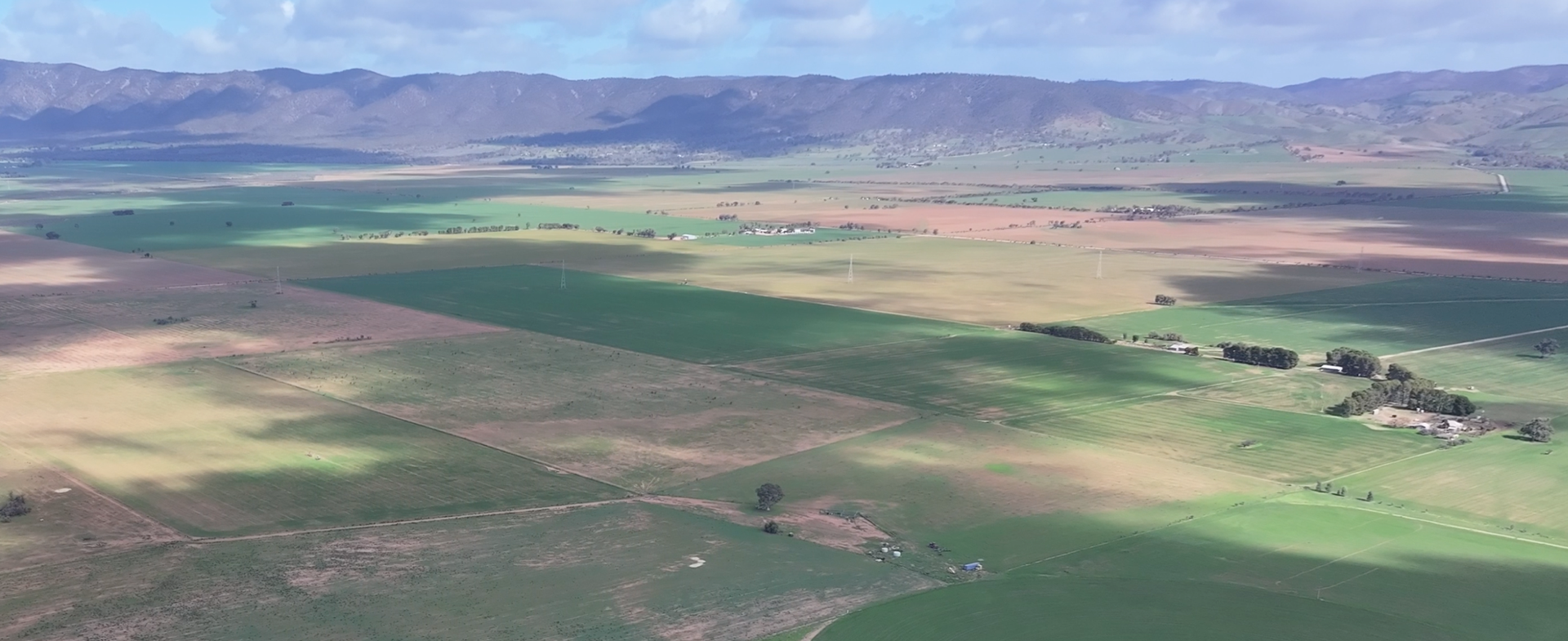
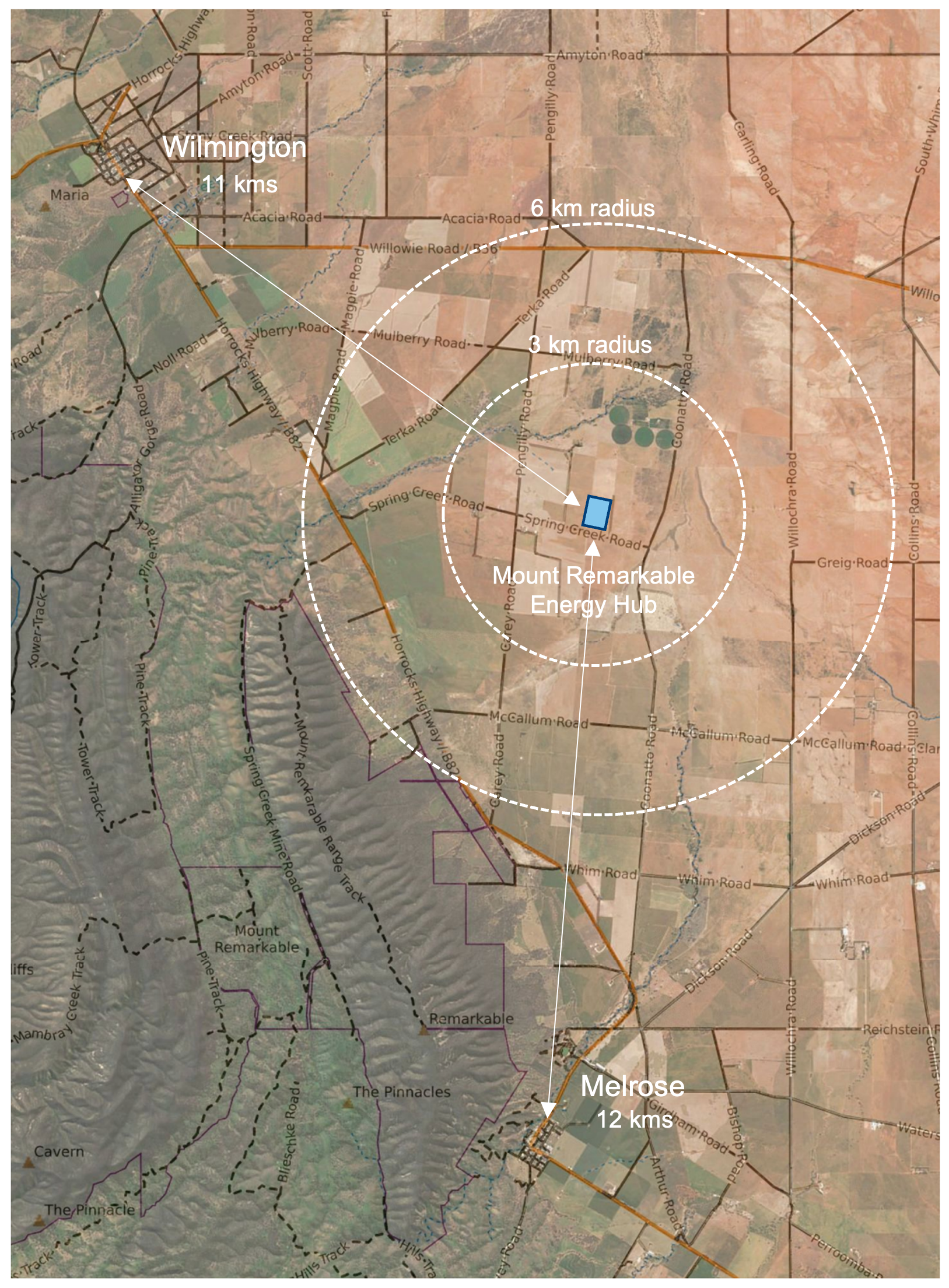
The proposed facility will be located near Spring Creek Road, ~12 kilometres north-east of Melrose, South Australia.
The site has been carefully selected as it is a flat, cleared, previously cropped section of land and well separated from nearby homes.
These characteristics make it well-suited to the project, helping to minimise visual impacts and reduce potential disturbance to the local community while making efficient use of existing agricultural land.

Development Timeline
The proposed Mount Remarkable Energy Hub Project is being developed by Amphora Energy (ACN: 683 164 794), a South Australia-based company dedicated to accelerating the energy transition through delivery of battery storage and co-infrastructure.
Amphora’s team are highly experienced energy executives and seasoned industry practitioners.
Community drop in session - April 2026
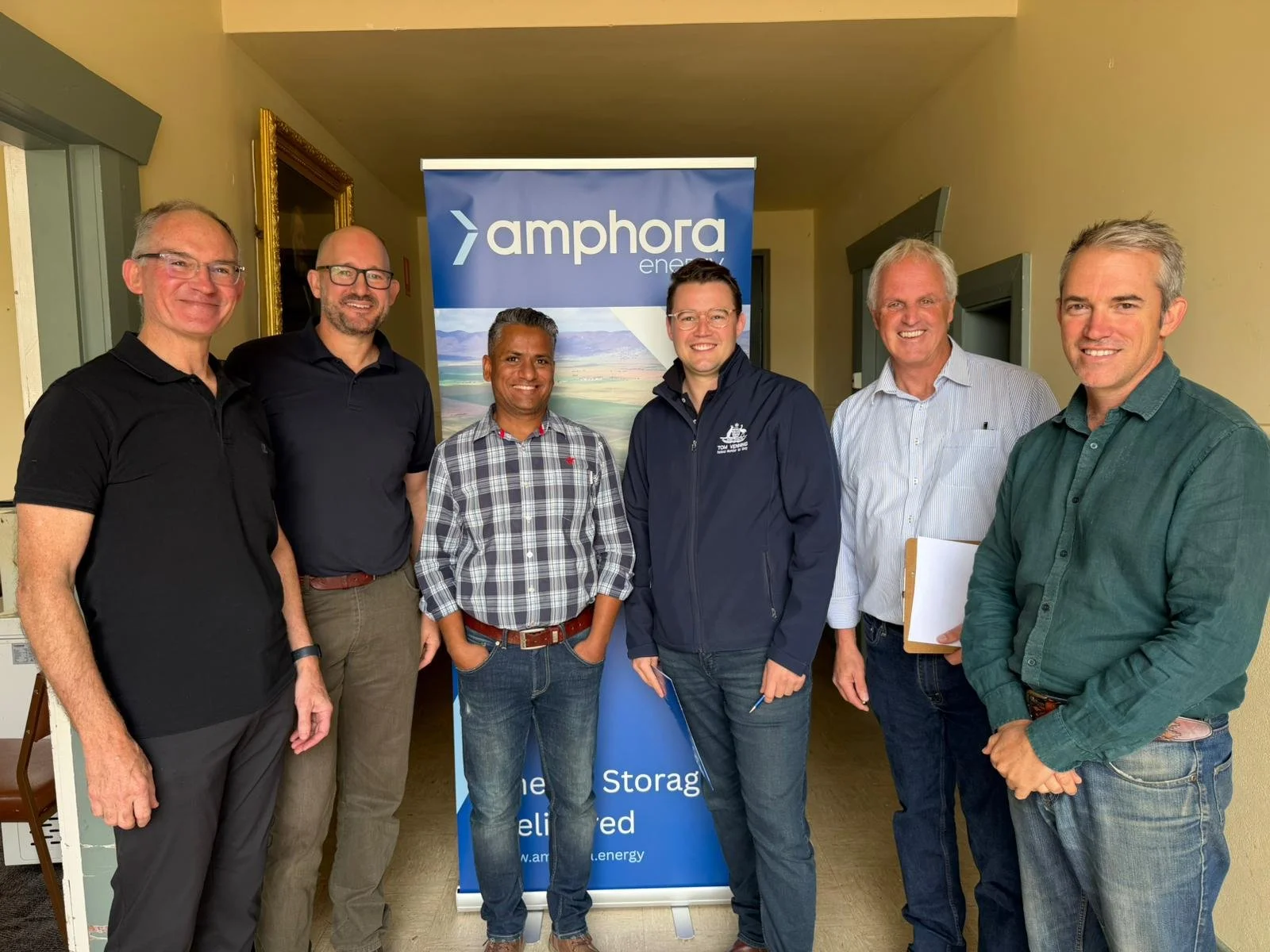
Engaging with the community isn’t just a checkbox — it is the foundation of how we build a Project.
Over 14th and 15th April, our team held four community engagement sessions to seek feedback on the proposed 500 MW / 1000 MWh Mount Remarkable Energy Hub.
Your Questions,
Answered
-
A BESS captures surplus electrical energy and stores it in rechargeable batteries to be dispatched later in the day.
The Project is likely to use Lithium Ferro Phosphate (LFP) battery technology supplied by well-established, reputable manufacturers, selected through a competitive process to ensure safety, quality, and reliability.
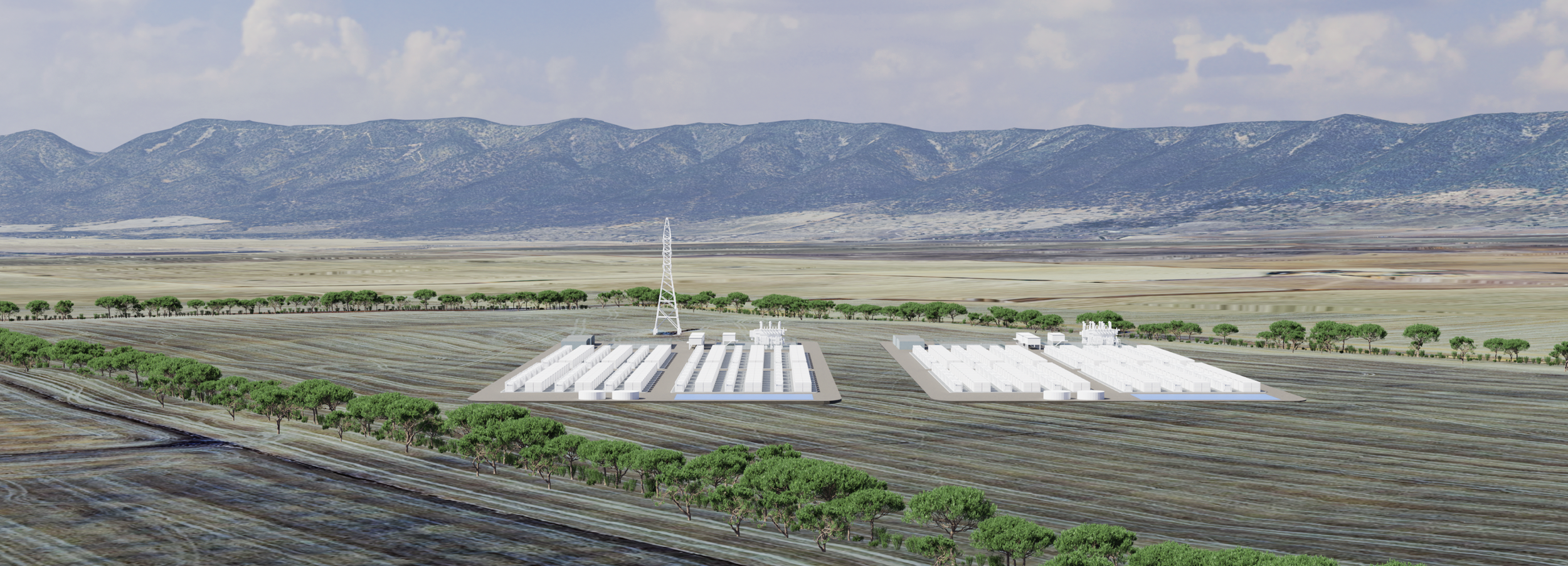
The facility will be neatly laid out and organised, with battery cabinets, inverters, and supporting control equipment connected by electrical and data cabling. The batteries will be housed in purpose-built steel cabinets that are fully enclosed, weather-resistant, and designed to protect the equipment from dust and the elements.
To help manage heat and blend with the surroundings, the cabinets will be finished in white or other light colours. Each cabinet also includes its own built-in temperature control system to ensure the batteries operate safely and efficiently at all times.
-
The proposed Project will have a power capacity of 500 megawatts (MW) with a 4-hour dispatchable duration, providing 2,000 megawatt-hours (MWh) of energy.
The facilities and the associated electrical infrastructure are expected to occupy up to 10 Ha of land.
The equipment will be low-profile, with battery cabinets, up to 3 metres in height, similar in scale to a small shed or single-storey structure. The Project’s capacity can power about 200,000 homes during peak demand periods.
-
The BESS facility, when built, is expected to operate for at least 30 years. Over this time, the batteries are designed to retain most of their storage capacity and continue to perform reliably. With appropriate maintenance, the facility may be able to operate beyond this period, depending on future energy needs, market conditions, and regulatory considerations.